Lorem ipsum dolor sit amet, consectetur adipiscing elit. Sed do eiusmod tempor incididunt ut labore et dolore magna aliqua. Ut enim ad minim veniam, quis nostrud exercitation ullamco laboris nisi ut aliquip ex ea commodo consequat.
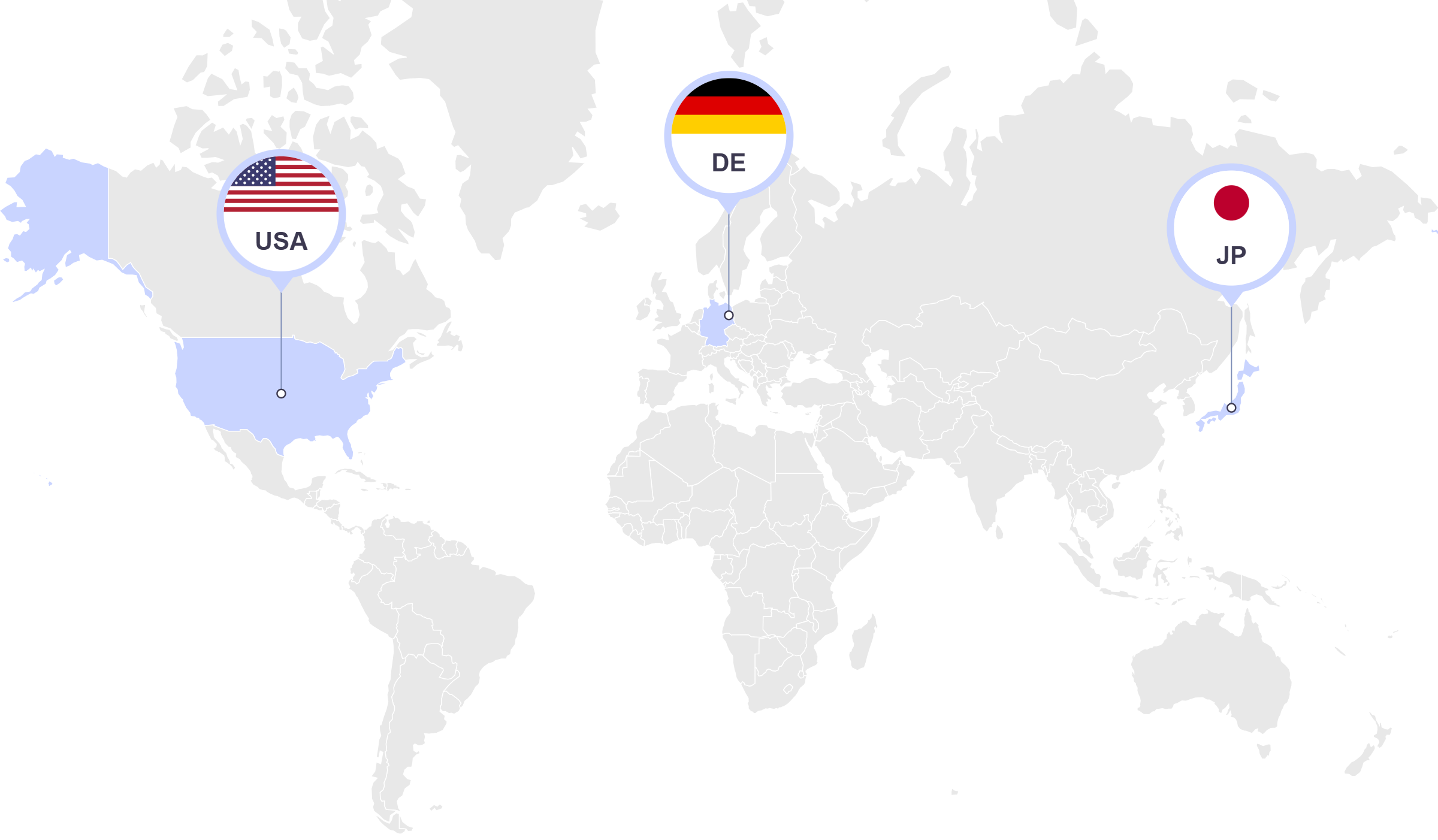
James P. Allison
Alexander Y. Rudensky
Andreas Radbruch
Shimon Sakaguchi
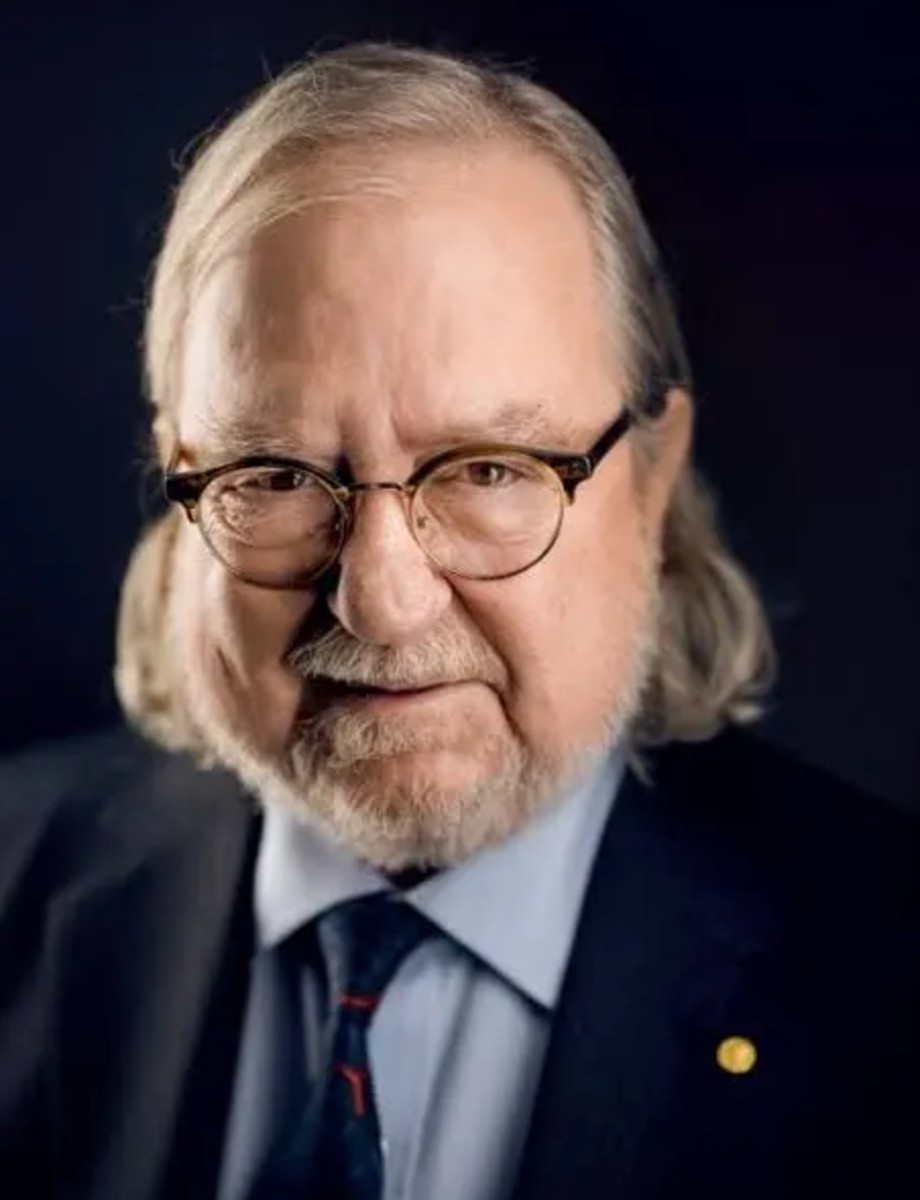
James P. Allison
Founding Director of James P. Allison Institute, VP Immunobiology, Chair and Regental Professor, Immunology, Executive Director, Immunotherapy Platform, UT MD Anderson Cancer Center

Jim Allison, the 2018 Nobel Laureate for Physiology or Medicine, has spent a distinguished career studying the regulation of T cell responses and pioneering new strategies for cancer immunotherapy. Among his most notable discoveries are the determination of the T cell receptor structure and that CD28 is the major costimulatory molecule that allows full activation of naïve T cells and prevents anergy in T cell clones. His lab resolved a major controversy by demonstrating that CTLA-4 inhibits T-cell activation by opposing CD28-mediated costimulation and that blockade of CTLA-4 could enhance T cell responses, leading to tumor rejection in animal models. He proposed that blockade of immune checkpoints such as CTLA-4 might be a powerful strategy for therapy of many cancer types, and conducted preclinical experiments showing its potential. These seminal findings established the field of immune checkpoint blockade therapy for cancer. Work in his lab led to the development of ipilimumab, an antibody to human CTLA-4 and the first immune checkpoint blockade therapy approved by the FDA. Since that time ipilimumab has been approved as part of the therapeutic regimen for metastatic melanoma, renal cell carcinoma, and lung cancer. His current work seeks to improve immune checkpoint blockade therapies currently used by our clinicians and identify new targets to unleash the immune system to eradicate cancer.
He is regental professor and chair of the MD Anderson Immunology department, and the Founding Director of the James P. Allison Institute.
Among many honors, he is a member of the National Academies of Sciences and Medicine. His other recent awards include the Breakthrough Prize in Life Sciences in 2014, Lasker-Debakey Clinical Medical Research award in 2015, the Balzan Prize in 2017, and the Kovalenko Medal from the National Academy of Sciences, the King Faisal Prize in Medicine, and the BBVA Foundations of Knowledge Prize in 2018.
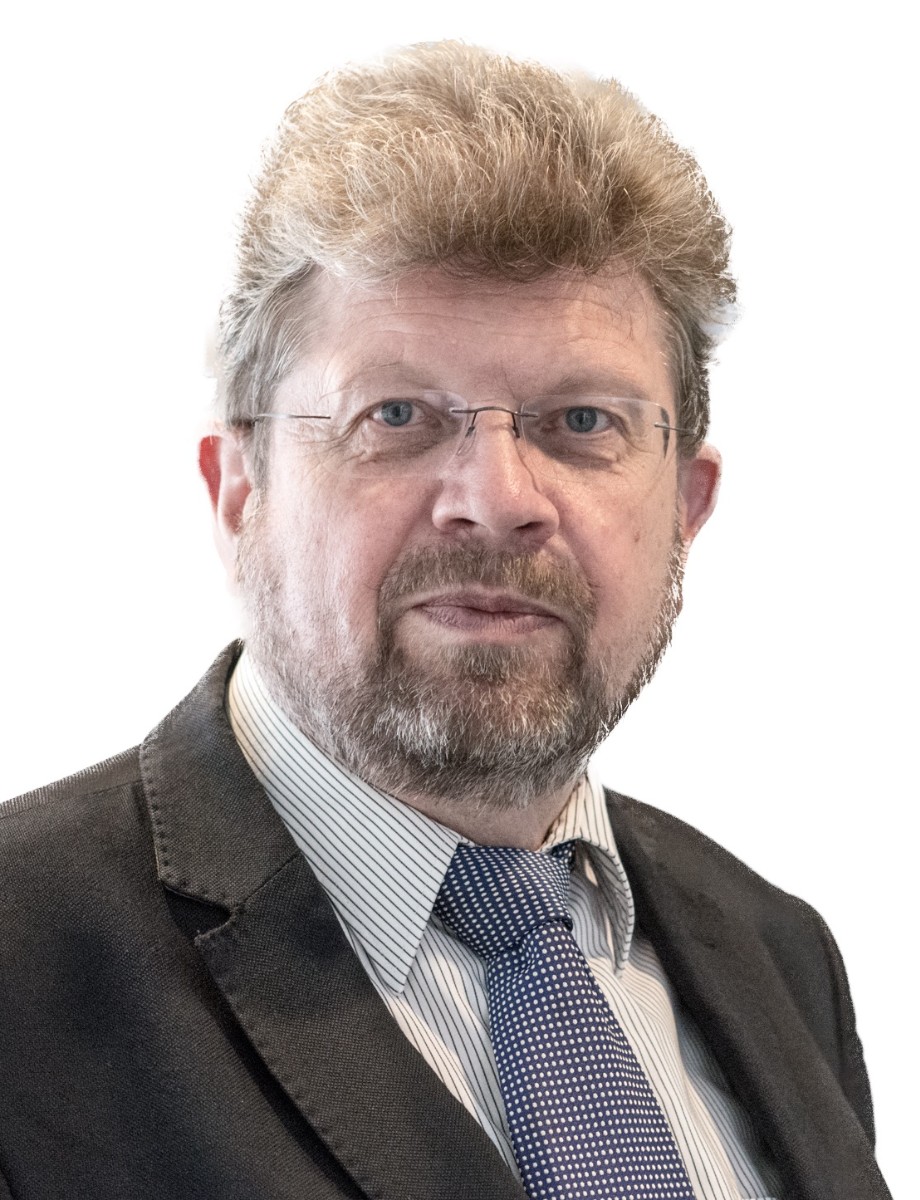
Andreas Radbruch
Deutsches Rheuma-Forschungszentrum Berlin, a Leibniz Institute

A biologist by education, Andreas Radbruch has focussed his scientific curiosity on the immune system, and in particular immunological memory, and the way it provides immunity and generates immunopathology.
Andreas Radbruch obtained his PhD at the Genetics Institute of the Cologne University, Germany, with Klaus Rajewsky in 1980. He later became Associate Professor there and was a visiting scientist with Max Cooper and John Kearney at the University of Alabama, Birmingham. 1996 – 2023, he was Director of the German Rheumatism Research Center (DRFZ) in Berlin, now a Leibniz Institute, and 1998 – 2024, Professor of Rheumatology at the Charité University Medical Center. Since 2023, he is Senior Scientist at the DRFZ.
Andreas Radbruch has developed a line of research aiming at a cellular and molecular understanding of immune reactions and immunological memory. His research is based on the analysis of individual cells, developing and using cutting-edge technologies for cytometry and cell sorting. His lab developed the MACS technology, cytokine cytometry, the cytometric secretion assay, magnetofluorescent liposomes and other tools to analyze fate decisions and imprinting of lymphocytes. He initially focused on the transcriptional regulation of antibody class switch recombination, the shaping of antibody specificity by somatic mutation in B lymphocytes, and the epigenetic imprinting of cytokine gene expression in T lymphocytes. The discovery of long-lived (memory) plasma cells in 1997 initiated a line of research that so far has generated a new understanding of immunological memory, as maintained by functionally imprinted memory plasma cells, and memory B and T lymphocytes, which, as this group has shown, individually reside, rest and survive in niches provided by mesenchymal stromal cells, mostly in the bone marrow, but also in other tissues. Of clinical relevance, memory plasma cells secreting pathogenic antibodies have been recognized as being refractory to conventional therapies and a critical and so far unmet therapeutic target in antibody-mediated diseases. The same is true for memory T lymphocytes driving chronic inflammation, for which the group has identified molecular adaptations and novel therapeutic targets, like the transcription factor Twist1, which dampens pathogenicity and promotes persistence of Th lymphocytes in chronic inflammation.
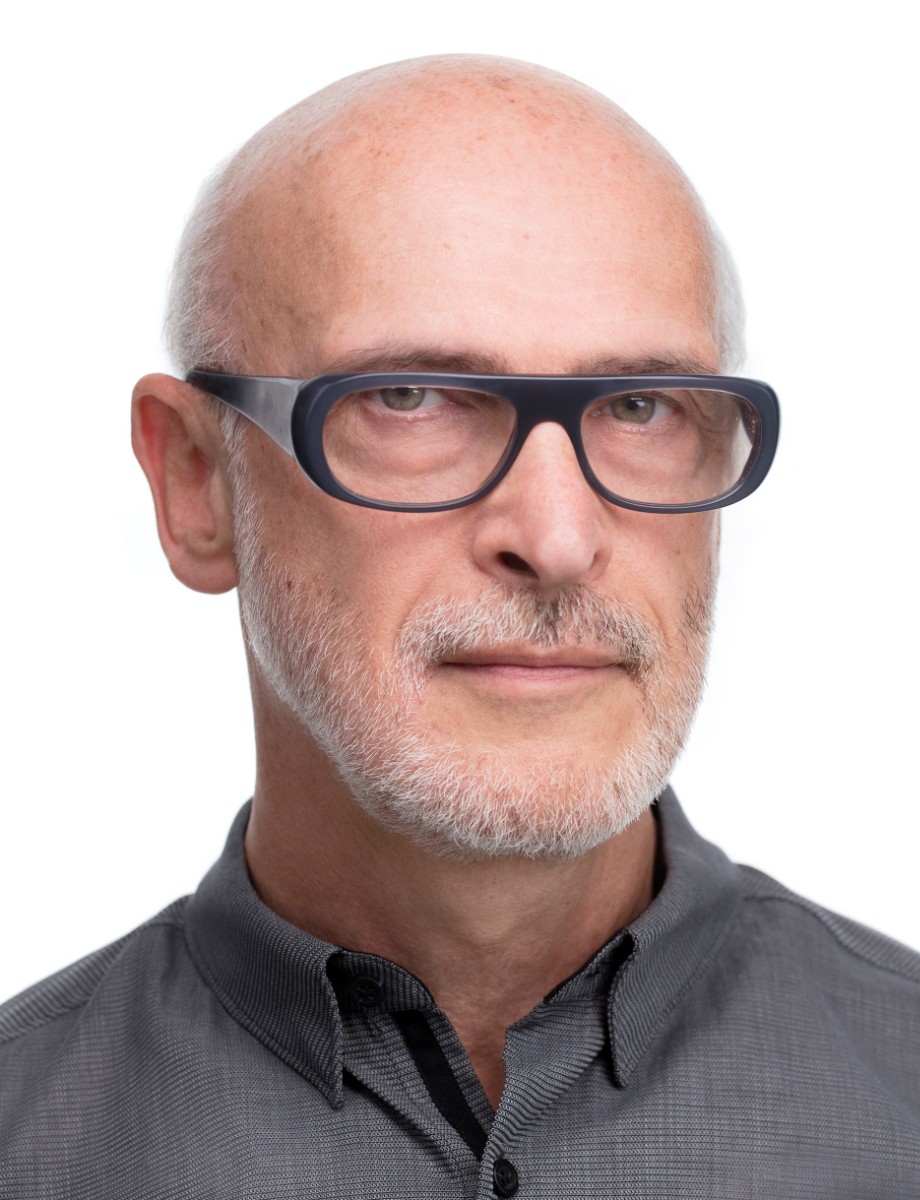
Alexander Y. Rudensky
Chairman and Member, Immunology Program, Sloan Kettering Institute, Lloyd Old Chair in Clinical Investigation, Investigator, Howard Hughes Medical Institute, Director, Ludwig Center at MSKCC, Tri-Institutional Professor at MSKCC, The Rockefeller University and Cornell University
Alexander Rudensky is Chairman of the Immunology Program and Director of the Ludwig Center for Cancer Immunotherapy at Memorial Sloan-Kettering Cancer Center (MSKCC), Lloyd J. Old Chair of Clinical Investigation, an Investigator with the Howard Hughes Medical Institute, and a Tri‐Institutional Professor at MSKCC, the Rockefeller University, and Cornell University. Prior to joining MSKCC, he was Professor of Immunology at the University of Washington School of Medicine, Seattle. Dr. Rudensky received his Ph.D. from the Gabrichevsky Institute of Epidemiology and Microbiology, Moscow, and postdoctoral training at Yale University Medical School with the late Dr. Charles A. Janeway, Jr. Dr. Rudensky’s research has been focused on investigation of the mechanisms of antigen presentation and processing by MHC class II molecules, T cell selection, immunoregulation and the differentiation of regulatory T lymphocytes and their roles in a variety of physiological processes and pathologies, including autoimmunity, allergy, immunity to infections, pregnancy, tissue repair, and cancer. Dr. Rudensky is an elected Member of the National Academy of Sciences and the National Academy of Medicine, and a Fellow of the American Academy of Arts and Sciences and of the Academy of the American Association for Cancer Research. He is a 2023 Distinguished Fellow of the American Association of Immunologists. He has been named a Thomson-Reuters Citation Laureate and awarded the Vilcek Prize in Biomedical Science, the Rabbi Shai Shaknai Memorial Award from Hebrew University, the Crafoord Prize by the Royal Swedish Academy of Sciences, the Coley Award for Basic Immunology by the Cancer Research Institute, the American Association of Immunologists Pharmingen Investigator Award, the American Association of Immunologists Meritorious Career Award, and the Searle Scholar Award.
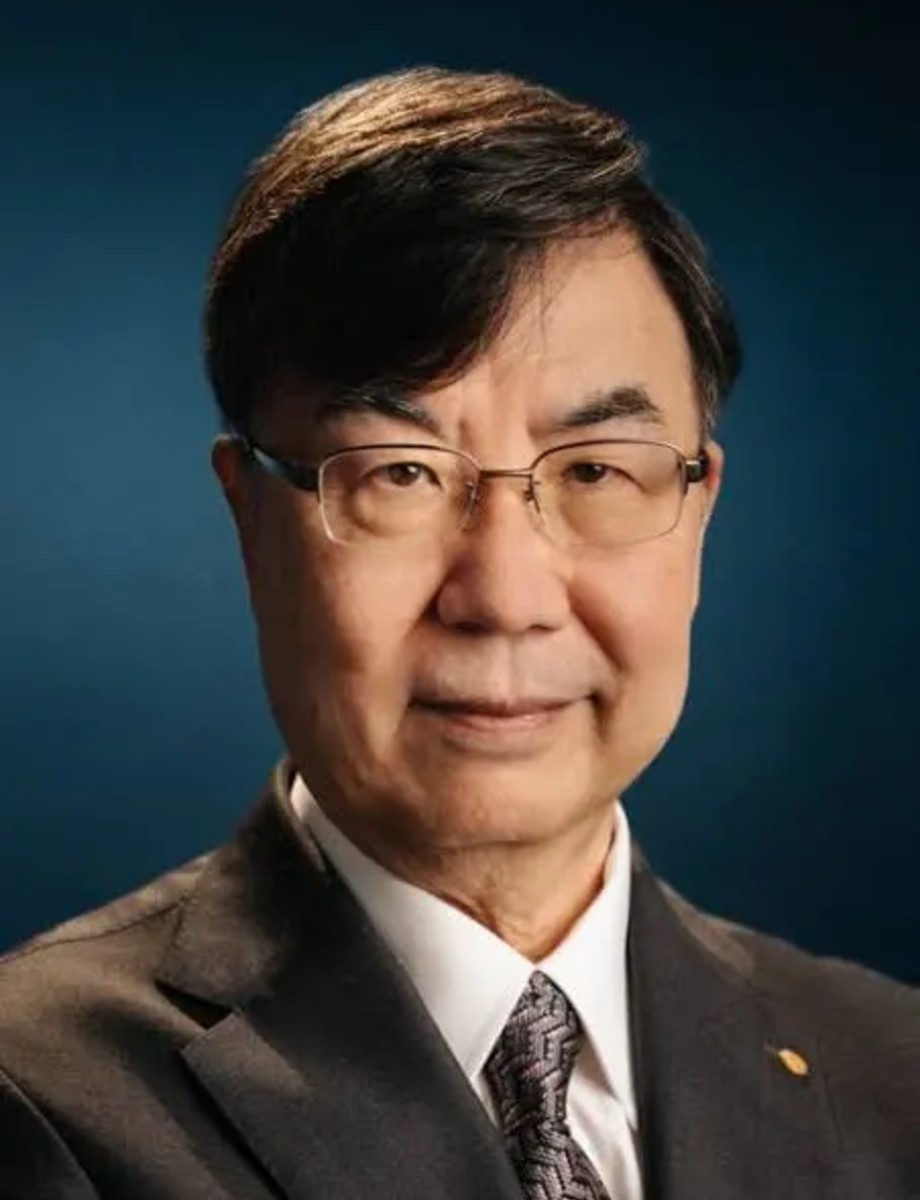
Shimon Sakaguchi
Experimental Immunology, Immunology Frontier Research Center, The University of Osaka

Sakaguchi is currently a Distinguished Honorary Professor at the Immunology Frontier Research Center (IFReC), the University of Osaka, Japan. He obtained M.D. in 1976 and Ph.D. in 1982 from Kyoto University, Japan. He was elected to Foreign Member of National Academy of Sciences USA in 2012 and Foreign Member of National Academy of Medicine USA in 2026. He has been awarded many international prizes including Canada Gairdner International Award in 2015, the Crafoord Prize in 2017, the Paul Ehrlich and Ludwig Darmstaedter Prize in 2020, the Robert Koch Prize in 2020, and Nobel Prize for Physiology or Medicine in 2025. He received the Order of Culture from the Emperor of Japan in 2019.